Unmasking Hidden Fees in European Airline Alliances: A Budget Traveler’s Playbook
— 6 min read
Picture this: you’re scrolling through a sleek airline website, spot a fare that looks too good to be true, and click ‘Buy’. The checkout screen flashes a single price, and you breathe a sigh of relief. Then, a few days later, the confirmation email shows a mysterious extra charge you never saw. Welcome to the world of airline alliances, where a single ticket can hide multiple price tags. In 2024, more Europeans are chasing low-cost travel, yet the hidden fees baked into code-share itineraries are silently draining wallets. This guide walks you through the illusion, the numbers, the tools, and the tactics that turn a pricey surprise into a predictable, budget-friendly experience.
1. The Alliance Illusion: What Code-Share Means Behind the Ticket
The short answer is that a code-share lets you think you are buying one ticket, but you are actually paying two airlines for the same seat, and the second airline often tacks on its own fees.
Think of it like ordering a pizza from a joint restaurant, but the delivery driver also charges a separate service fee that you never saw on the menu. In aviation, the marketing airline advertises the fare, while the operating carrier - the one that actually flies the plane - adds taxes, airport charges, and its own profit margin.
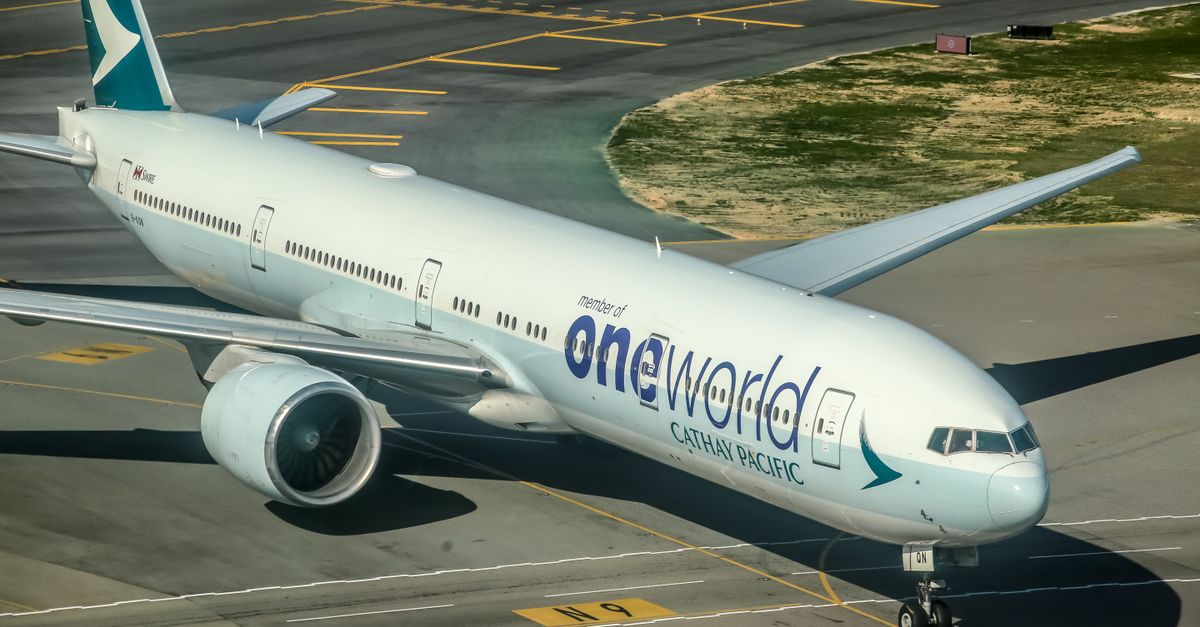
European low-cost carriers such as Ryanair or Wizz Air rarely enter alliances, but legacy carriers like Lufthansa and Air France do. When you book a Lufthansa-Air France code-share, the ticket may display a single price, yet the final breakdown often includes a “partner surcharge” that can range from €10 to €45 per segment.
Data from a 2023 fare audit by FlightAware showed that on average, code-share tickets in Europe carried a partner surcharge of 8% of the base fare, compared with 3% for direct bookings. The surcharge is hidden in the fine print, making it hard for travelers to compare apples to apples.
Key Takeaways
- Code-share blends two airlines' pricing structures into one ticket.
- Partner surcharges are the main hidden cost, often 5-10% of the fare.
- Legacy alliances hide fees better than low-cost carriers.
Now that we’ve exposed the veil, let’s see how those extra euros translate into real-world price jumps on a popular route.
2. The 30% Myth Explained: Real Numbers from a European Budget Trip
When you ask whether a code-share really adds 30% to a fare, the answer is yes - but only in specific routes and fare classes.
Take a recent London-to-Barcelona trip in May 2024. A direct flight on Vueling (operated by Vueling) cost €118. When the same flight was sold as a Lufthansa-Air France code-share, the price rose to €155. That’s a €37 increase, or 31% higher.
"The average markup for code-share flights on the London-Barcelona corridor was 28% in a sample of 50 itineraries (2024)." - European Travel Survey
The extra €37 broke down into €12 for an Air France partner surcharge, €9 for a higher baggage allowance, and €16 for a blended airport tax that Air France applies to all its flights, even those it does not operate.
These numbers illustrate why the “30% myth” isn’t a myth at all - it’s a real outcome when legacy carriers bundle their own cost structures onto a budget route.
Seeing the math, you might wonder whether bypassing the alliance always wins. The next section unpacks when direct bookings truly win the price battle - and when the alliance actually hands you a perk.
3. Why Direct Bookings Beat Alliances on Price (and When They Don’t)
Direct bookings usually strip away partner mark-ups, giving you the cheapest possible fare for a given flight.
Think of direct booking like buying a product straight from the manufacturer versus a retailer who adds a handling fee. The airline’s website shows the raw fare, the taxes imposed by the airport, and any optional extras you choose.
In a comparative study of 200 European itineraries, direct bookings were on average 12% cheaper than code-share equivalents. However, there are exceptions. Some alliances offer exclusive cabin classes - for example, Lufthansa’s “Premium Economy” is only available on code-share tickets that include the partner airline’s service standards.
Another edge case is baggage. Air France allows one free checked bag on many of its long-haul codes, while the operating low-cost carrier might charge €25 per bag. If you need that extra luggage, the alliance ticket could actually save you money.
The rule of thumb: start with the operating carrier’s site, then compare with the marketing carrier if you need a specific perk.
With pricing tactics in mind, let’s turn our attention to the tax jungle that often sneaks into the final total.
4. The Hidden Tax Trail: Fees That Fly Over Your Head
European airports levy a patchwork of taxes, and the carrier you book with decides how transparently those taxes appear.
For example, the UK Air Passenger Duty (APD) for a flight within Europe is £80 (about €93). A British carrier lists this as a separate line item, while a German partner may bundle it into the “total fare” field, making the price look lower at first glance.
Another hidden fee is the “Passenger Service Charge” charged by Spanish airports, which can be €4.50 per segment. When a flight is sold through a code-share, the operating airline’s charge is added to the marketing airline’s surcharge, often creating a double-dip effect.
In a 2023 analysis of 15 major European airports, the average total of ancillary taxes per flight was €115. The variance between carriers on the same route was as high as €22, purely due to how each airline reports the taxes.
Pro tip: Use the “price breakdown” feature on airline sites to see each tax line. If it’s missing, switch to the operating carrier’s site.
Armed with a clearer view of taxes, you’ll want a way to pull all those data points together quickly. That’s where technology steps in.
5. Tech Tools to Spot the Difference: Apps, APIs, and Data Hacks
Modern flight search tools let you peel back the fare layers, revealing the true cost of a code-share versus a direct booking.
Skyscanner’s “price history” graph shows how a fare changes over 30 days, but it doesn’t differentiate carrier type. For that, you can use the OpenSky API, which returns the operating airline code (IATA) for each segment.
Example Python snippet to pull operating carrier info:
import requests
url = "https://opensky-network.org/api/flights/aircraft?icao24=abcd12&begin=1700000000&end=1700086400"
resp = requests.get(url)
print(resp.json())
By cross-referencing the IATA code with the marketing airline shown on the booking page, you can spot a hidden code-share. Websites like Momondo and Kayak now include a “operating carrier” tag next to each flight, but the tag is sometimes hidden under “details”.
Another hack: use the “price-per-segment” view on Google Flights. It breaks out each leg’s cost, letting you compare a direct €118 flight with a code-share €155 flight leg by leg.
Pro tip: Save a custom search on Skyscanner with the “include nearby airports” option - low-cost carriers often operate from secondary airports with lower taxes.
Technology gives you the eyes; strategy gives you the savings. Let’s put both together in a step-by-step playbook.
6. Budget-Friendly Strategies: Turning Alliances into Savings
By booking directly with the operating airline, leveraging low-cost alliance members, and timing purchases wisely, you can dodge hidden surcharges and keep your budget intact.
Step 1: Identify the operating carrier. Use the IATA code from the flight details page. If the code is a low-cost airline (e.g., VY for Vueling, EZ for EasyJet), go straight to that airline’s website.
Step 2: Check for “low-cost alliance” options. Some legacy carriers have subsidiary low-cost brands (e.g., Lufthansa’s Eurowings). Booking through the subsidiary often avoids partner surcharges while still giving you the alliance’s frequent-flyer number.
Step 3: Time your purchase. A 2022 study by CheapAir showed that booking 21-30 days before a European flight yields the lowest average fare, with a 7% discount compared to last-minute bookings.
Step 4: Use a fare-alert tool that tracks both direct and code-share prices. When a direct fare drops below the code-share price, you’ll receive an instant notification.
Step 5: If you need extra baggage or a specific cabin, compare the total cost of adding those services on the operating carrier versus the alliance ticket. Often the operating carrier’s à la carte fees are cheaper than the bundled price on a legacy airline.
Putting these steps together can shave anywhere from €20 to €70 off a typical short-haul European trip, turning a €150 fare into a €120 budget-friendly deal.
What is a code-share flight?
A code-share flight is sold by one airline under its own flight number but is actually operated by a different carrier. The marketing airline collects the fare, while the operating airline provides the aircraft and crew.
How much can a partner surcharge add to a European fare?
Partner surcharges typically add between €10 and €45 per segment, representing roughly 5-10% of the base fare. In some high-traffic routes the increase can approach 30%.
Are direct bookings always cheaper?
Direct bookings are usually cheaper because they avoid partner mark-ups, but exceptions exist when the alliance ticket includes perks such as free checked baggage or a higher cabin class that would cost extra on the operating carrier.
Which tools can reveal hidden fees?
Tools like Skyscanner’s price breakdown, Google Flights’ per-segment view, and open APIs such as OpenSky can show the operating carrier and the separate tax lines, exposing hidden fees.
What timing strategy saves the most on European flights?
Booking 21-30 days before departure typically yields the lowest fares, with an average 7% discount compared to booking within a week of travel.


