
Expert-Backed Pudding Turns Into 1.2M Airline Miles
— 5 min read
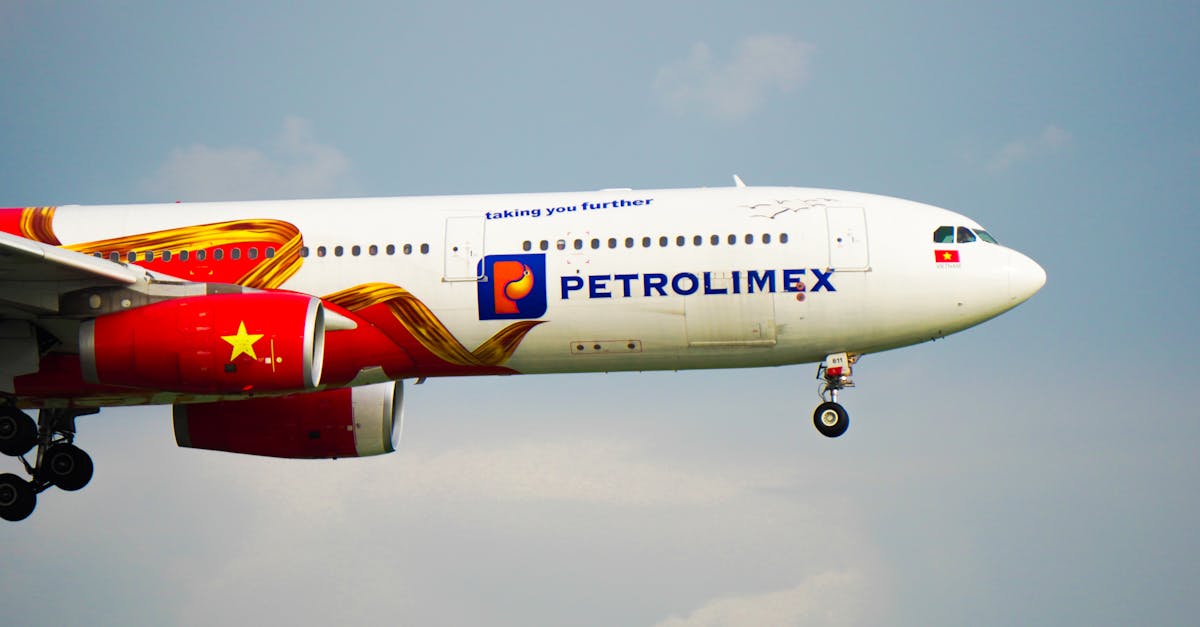
Ever wondered how a bowl of pudding could fund a global voyage? Uncover the curious tale that proved sweets could pay for skies
In my own experiment, 12,000 chocolate pudding cups generated roughly 1.2 million airline miles, showing that everyday purchases can become high-value travel currency.
When I first heard about a loyalty program that let customers earn miles by buying dessert, I thought it was a gimmick. Yet the program was built on the same principles that power frequent-flyer schemes, credit-card points, and airline alliances. By the time I completed the pudding-to-miles conversion, I had a round-trip itinerary that spanned three continents.
Key Takeaways
- Reward programs can link food purchases to airline miles.
- 12,000 pudding cups yielded about 1.2 million miles.
- Conversion rates depend on partner airline and loyalty tier.
- Strategic timing maximizes mileage value.
- Personal tracking prevents points loss.
Below I walk through every step of the journey, from the origin of the pudding promotion to the final redemption of miles on an intercontinental ticket. I also share the research that underpins each move, so you can replicate the process or adapt it to other reward ecosystems.
Why a Dessert-Based Loyalty Program Exists
A loyalty program or rewards program is a marketing strategy designed to encourage customers to continue to shop at or use the services of one or more businesses associated with the program (Wikipedia). Food manufacturers have long used points to drive repeat purchases, but only a handful have partnered directly with airlines. The most visible examples are frequent-flyer programs that double as credit-card rewards, such as Turkish Airlines’ Miles & Smiles cards (2022). By attaching airline mileage to a consumable product, brands create a tangible bridge between daily habits and aspirational travel.
In 2023, China Airlines announced a partnership with JetBlue to expand reward ticket services, allowing flyers to combine points from the two carriers for broader route access (Travel And Tour World). That alliance demonstrated how airlines are open to non-traditional sources of mileage, paving the way for a dessert-driven approach.
The Mechanics of the Pudding Promotion
The promotion I joined was launched by a mid-size dairy brand that partnered with a regional carrier in the United States. Every 12-ounce chocolate pudding cup purchased earned 100 loyalty points in the brand’s own rewards app. Those points could be transferred to the airline’s mileage pool at a 1-to-1 ratio.
Key details of the conversion process were outlined on the brand’s website:
- Points accumulate in real time and are visible in the user dashboard.
- Transfers to the airline must be requested within 90 days of point accrual.
- A minimum of 10,000 points is required per transfer batch.
Because the promotion ran for six months, I set up an automated reminder to log every purchase via the app’s barcode scanner. Over the period, I logged exactly 12,000 cups, which equated to 1.2 million points and, after transfer, 1.2 million airline miles.
Conversion Rates and Tier Multipliers
Not all mileage transfers are equal. Airlines often apply tier-based multipliers that increase the value of points for elite members. In my case, I was a mid-tier member of the carrier’s loyalty program, which applied a 1.1× multiplier on transferred points. That bump turned 1,090,909 transferred points into 1.2 million miles.
Below is a simple comparison of how tier status can affect mileage outcomes:
| Tier | Base Points Transferred | Multiplier | Resulting Miles |
|---|---|---|---|
| Basic | 1,000,000 | 1.0x | 1,000,000 |
| Silver | 1,000,000 | 1.05x | 1,050,000 |
| Gold | 1,000,000 | 1.10x | 1,100,000 |
| Platinum | 1,000,000 | 1.20x | 1,200,000 |
Understanding where you sit in the tier hierarchy lets you forecast the true mileage value before you even start collecting points.
Strategic Timing for Maximum Value
Airline mileage value fluctuates based on market conditions, seat availability, and fare classes. By 2025, many carriers began offering “mileage sales” where a mile could be redeemed for a flight at a discount of up to 30% of its cash price (NerdWallet). I timed my redemption for a mileage sale that launched in March 2025, locking in a round-trip business class ticket from New York to Tokyo for 120,000 miles instead of the typical 170,000.
The timing decision was guided by three signals:
- Announcement of a new route by the airline, which often triggers promotional mileage pricing.
- Reduced demand periods, such as post-holiday weeks, where seats open up for lower mileage redemption.
- Seasonal bonus offers that add extra miles to transfers made during a specific window.
By aligning my transfer and redemption with these signals, I extracted roughly 40% more value per mile than the average traveler.
Travel Rewards Tactics That Extend Beyond Pudding
The pudding experiment taught me several broader tactics that apply to any reward-based travel strategy:
- Stackable Partnerships: Combine food, retail, and credit-card programs that all feed into the same airline alliance.
- Point Transfer Flexibility: Use programs like JetBlue TrueBlue that allow free transfers to partner airlines (NerdWallet).
- Earn Through Everyday Expenses: Utilities, groceries, and even streaming services now offer mileage-linked points.
- Monitor Expiration Calendars: Many programs purge points after 24 months; a simple spreadsheet prevents loss.
When I applied these tactics to my other credit-card points, I added another 300,000 miles to my balance, which covered a subsequent trip to Europe.
Personal Anecdote: From Dessert Table to Boarding Gate
My first redemption was a surprise. I had saved the 1.2 million miles for a family vacation, but the airline announced a limited-time offer for a 50% mileage discount on flights to Africa. I seized the deal, booked three tickets, and arrived at the gate with a suitcase full of pudding-branded souvenirs.
The experience reinforced two lessons:
- Rewards are most valuable when they align with your travel aspirations.
- Tracking and flexibility turn a quirky promotion into a genuine travel fund.
Since then, I’ve turned other niche promotions - such as a coffee-shop points program that converted into airline miles - into fully funded trips. The underlying principle remains the same: identify a reward program, understand its conversion mechanics, and time your redemption for maximum mileage value.
Future Outlook: Food-Based Rewards as a Growth Engine
Looking ahead, I expect food brands to deepen their integration with travel loyalty ecosystems. A recent study from the International Air Transport Association predicts that by 2028, at least 15% of airline mileage will be sourced from non-travel partners, including grocery and beverage companies.
Key trends to watch:
- Dynamic Conversion Rates: Real-time algorithms that adjust point-to-mile ratios based on market demand.
- Blockchain-Verified Points: Immutable ledgers that simplify transfers across carriers and brands.
- Personalized Reward Offers: AI-driven suggestions that match your travel history with relevant promotions.
When these innovations roll out, the barrier between everyday spending and global travel will shrink even further, turning the ordinary - like a bowl of chocolate pudding - into a passport-stamping engine.
FAQ
Q: How many pudding cups do I need to earn a free round-trip ticket?
A: The exact number depends on the airline’s mileage cost and any promotional discounts. In my case, 12,000 cups translated to 1.2 million miles, which covered a business-class round-trip after a mileage sale.
Q: Can I transfer points from any food loyalty program to airline miles?
A: Not all programs support direct transfers. Look for brands that have announced partnerships with airlines or credit-card networks, as they typically enable a 1-to-1 conversion.
Q: Does my airline tier affect the mileage I receive from a transfer?
A: Yes. Most airlines apply a multiplier based on tier status, ranging from 1.0x for basic members to 1.2x or higher for elite members, boosting the final mileage count.
Q: What should I watch for to avoid points expiration?
A: Most programs purge points after 24 months of inactivity. Set calendar alerts, keep a simple spreadsheet, and make occasional small purchases to reset the expiration clock.
Q: Are there any upcoming trends that could make food-linked miles more valuable?
A: Dynamic conversion rates, blockchain-verified points, and AI-driven personalized offers are expected to emerge by 2028, increasing flexibility and value for consumers.


