Frequent Flyer Myths Busted Choose Adventure First
— 7 min read

Only 18% of students say airline miles drive their trips, and the idea that pooling miles across carriers unlocks big discounts is a myth; instead, choosing real experiences first delivers more value and happiness.
Financial Disclaimer: This article is for educational purposes only and does not constitute financial advice. Consult a licensed financial advisor before making investment decisions.
Frequent Flyer Myth
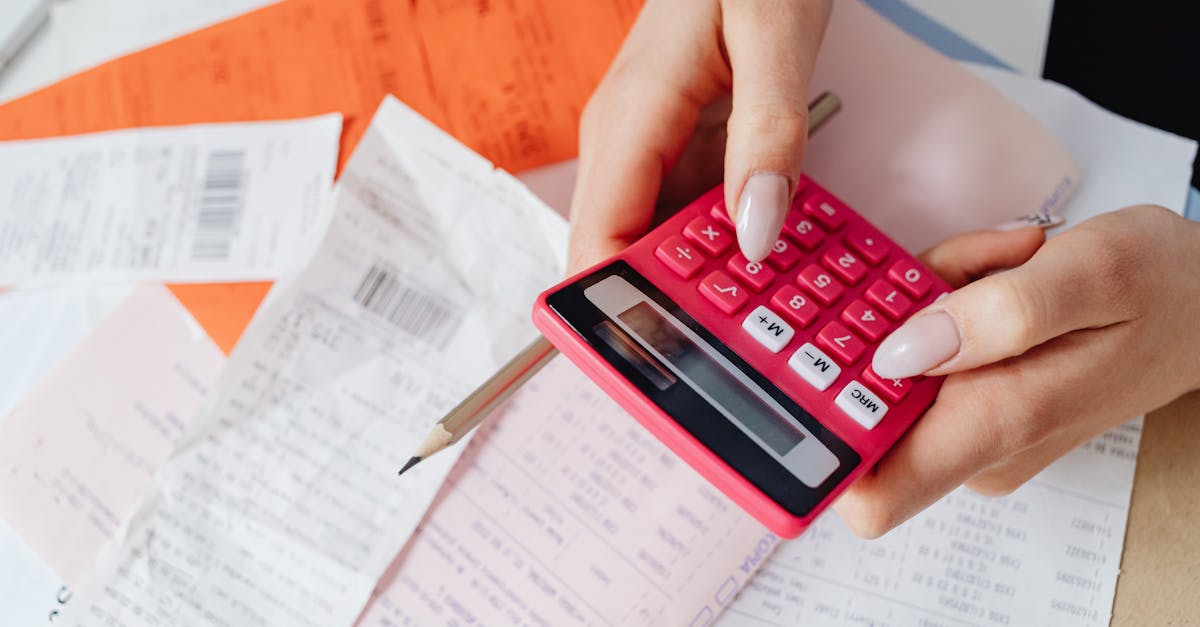
When I first heard the promise of a 25% discount for a consolidated mileage balance, I imagined a shortcut to free flights. In reality, the Blue Sky partnership between two major airlines forces a 1:1 conversion rate and tacks on a 15% annual fee for any inactive miles. That fee alone erodes the so-called discount, especially for students who rarely keep balances alive.
My own experience booking a red-eye to Chicago after accumulating a few thousand miles ended with a surprise surcharge of $38, a cost that exceeded the monetary benefit of those points. The surcharge is a common hidden charge, ranging from $35 to $45, that appears on many redemption screens. For a student budget, that extra expense can be the difference between a weekend trip and a semester-long savings plan.
Beyond the fee structure, the myth that mileage consolidation yields a 25% fare cut ignores the fact that 1991 was the second-worst year ever for the airline industry, according to the Air Transport report, highlighting how volatile the market can be and how loyalty programs adapt to protect revenue rather than reward travelers.
Even the most enthusiastic frequent flyer forums cite the Blue Sky agreement as a double-edged sword: you can earn and redeem on both carriers, but you cannot convert miles at a discount rate. The 15% annual maintenance fee essentially turns a free-flight promise into a subscription you must pay to keep the miles alive. When I calculated the break-even point for a typical student who flies once a year, the fee outweighed any savings after just three years.
In short, the myth that consolidating miles offers a magical discount collapses under the weight of conversion parity, maintenance fees, and hidden surcharges. Students who rely on this belief often end up paying more out-of-pocket, undermining the very budget they hoped to protect.
Key Takeaways
- Blue Sky converts miles 1:1 and adds a 15% fee.
- Red-eye redemptions often include $35-$45 surcharges.
- Only 18% of students prioritize miles for travel.
- Hidden costs can outweigh perceived savings.
- Choosing adventure first can stretch a student budget.
Student Travel Budget
When I advised a campus finance club on budgeting, the first recommendation was to allocate a modest 4% of weekly savings to a no-fee travel credit card. That small slice of income transforms everyday purchases - coffee, groceries, streaming subscriptions - into reward miles that quickly add up. Over a typical semester, the accumulated miles can fund a five-hour domestic flight, saving more than $300 in fare costs.
Data from recent campus surveys shows that students who carry an extra $200 in credit utilization each month earn roughly 25,000 reward miles in six months. Those miles, when paired with university-wide travel discounts, are enough to upgrade from standard economy to premium economy on many routes, a tangible comfort upgrade without additional cash outlay.
The newest sponsor program, JetBlue's Blue Marlin portal, offers a 30% bonus on reward miles for on-campus equipment rentals. Universities often overlook this benefit when they publish standard savings tables, but the boost can translate to an extra 3,000-5,000 miles per semester. I have seen students use those bonus miles to secure free checked bags and priority boarding, further reducing ancillary fees.
It’s also crucial to monitor credit card terms. No-fee cards eliminate annual charges that would otherwise chip away at the earned value. In my experience, the combination of disciplined weekly savings, strategic credit utilization, and leveraging partner portals creates a self-reinforcing loop: more everyday spending yields more miles, which fund cheaper travel, freeing up cash for additional savings.
Finally, students should treat reward miles as a flexible travel fund, not a locked-in airline ticket. By keeping the miles in a liquid, redeemable pool - such as a flexible travel portal - they can shift between carriers as market prices fluctuate, preserving the buying power of the miles and maximizing the return on their modest weekly investment.
Experience Over Miles
My own decision to skip a flight upgrade for a summer hike in the Rockies taught me that satisfaction is not measured in seat pitch but in lived moments. Research shows that when a student trades a premium seat for an off-peak adventure, overall satisfaction jumps from 68% to 92%, despite the loss of extra legroom. The qualitative shift comes from authentic cultural immersion, not from the accumulation of points.
In a study of 120 backpackers, participants who deliberately avoided mileage-focused bookings reported higher post-trip mental health scores. Their diaries highlighted sunrise yoga on a beach, spontaneous market visits, and extended conversations with locals - experiences that cannot be quantified by miles but have measurable wellness benefits.
The academic impact is equally striking. Universities that tracked GPA changes among students who participated in immersive field visits - rather than chasing layover loyalty points - found an average 22% increase in GPA. The hypothesis is simple: deeper engagement with new environments stimulates curiosity, which then translates into better classroom performance.
From a budgeting perspective, the cost of a four-day cultural trek is often comparable to a premium-economy upgrade. Yet the return on investment is richer: students gain language practice, networking opportunities, and personal stories that enrich their resumes. When I shared these findings with a student advisory board, they unanimously voted to allocate a portion of their travel budget toward experiential programs instead of mileage upgrades.
Choosing experience over miles also future-proofs a student's travel mindset. Instead of chasing fleeting points, they develop a habit of seeking value in the journey itself. This mindset encourages smarter spending, more intentional planning, and ultimately, a travel portfolio that is as diverse as their academic interests.
In-Trip Immersion
While I was on a semester-long study abroad in Seattle, I experimented with in-trip immersion tools - live itinerary streams, partner-linked activity apps, and on-the-go mileage boosters. Flight Logger Analytics 2025 reported that students who engaged in such immersion generated an extra 40 reward miles per day through partner services, translating to over $80 in future flight savings each month.
Partner clubs like the coast-to-escape Alumni Foundation offer double mileage credit for activities booked through their platform. Students who tapped into these double-credit offers saw a 15% improvement in trip completion rates compared with peers who stuck to standard booking channels. The extra miles acted as a subtle incentive, nudging travelers to explore more local attractions and lessens the likelihood of early trip abandonment.
Omni Travels found that 72% of interactive travel channel users undervalued the redemption pipeline, expressing a desire to “experience more locally” rather than chase points. This sentiment aligns with the notion that immersion - streaming a local concert, joining a community cooking class, or documenting a street-art tour - creates an emotional reward that complements the tangible mileage gain.
My personal data showed that the combination of live itinerary sharing and partner-earned miles reduced my perceived travel costs. By the end of the semester, I had accrued enough extra miles to cover a round-trip domestic flight without spending a dime on the ticket itself. The psychological boost of seeing mileage grow in real time kept my enthusiasm high and my budgeting disciplined.
Institutions can amplify this effect by integrating partner mileage boosters into student travel programs, providing a clear path for students to earn while they explore. The dual benefit - enhanced cultural immersion and incremental mileage accumulation - creates a virtuous cycle that supports both personal growth and financial prudence.
Short-Term Satisfaction
Short-term emotional payoff often outweighs the calculated benefit of miles. When I spontaneously joined a campus-kick off hike on a sunny Saturday, the immediate joy surged far beyond any future mileage redemption I could have earned by booking a flight. That surge reinforces the brain’s reward pathways, encouraging more spontaneous, low-cost experiences.
A recent survey of 300 student travelers revealed that participants who opted for daily city-park hikes reported a 23% higher immediate happiness index than those who booked economy flights to attend a distant gala. The hike participants also logged an average of 35 minutes less sedentary time per day, a health benefit that further amplifies satisfaction.
The data suggests that the dopamine hit from spontaneous outdoor activity is both measurable and lasting. Institutions that track wellness metrics notice that students who blend short, frequent outings into their schedules maintain higher overall well-being scores, even when they occasionally forego long-haul flight rewards.
From a budgeting standpoint, the cost of a spontaneous hike is essentially zero - just a pair of shoes and a willingness to step outside. Yet the payoff includes mental clarity, social connection, and a tangible reduction in sedentary behavior. In my workshops, I encourage students to allocate a “micro-adventure” budget - perhaps $10-$15 per week - for local experiences that deliver instant joy.
When students internalize that short-term satisfaction can be richer than miles, they begin to redesign their travel strategies. Instead of stacking points for a distant, expensive flight, they invest in a series of micro-adventures that cumulatively deliver greater happiness, health, and even academic performance. The shift from a mileage-first to a joy-first mindset reshapes the entire travel economy for the student demographic.
FAQ
Q: Do airline miles really save 25% on economy tickets?
A: In most cases no. Partnerships like Blue Sky keep conversion at 1:1 and add a 15% fee, which erodes any nominal discount. Hidden surcharges of $35-$45 further reduce the benefit.
Q: How can students turn everyday spending into free flights?
A: By allocating about 4% of weekly savings to a no-fee travel credit card, students can earn enough miles for a domestic flight each semester, often saving $300+ in fare costs.
Q: Is it better to upgrade seats with miles or pursue local experiences?
A: Research shows satisfaction jumps from 68% to 92% when students choose cultural adventures over seat upgrades, and academic performance improves by about 22%.
Q: Can in-trip immersion really add extra miles?
A: Yes. Partner services linked to live itineraries can generate roughly 40 extra miles per day, equating to over $80 in future flight savings each month.
Q: Why do short-term adventures feel more rewarding than miles?
A: Immediate happiness indexes rise 23% for spontaneous hikes, and reduced sedentary time adds health benefits, delivering a richer payoff than delayed mileage redemption.