
Credit Card Points Nomad vs Platinum Airline Card 2026
— 6 min read
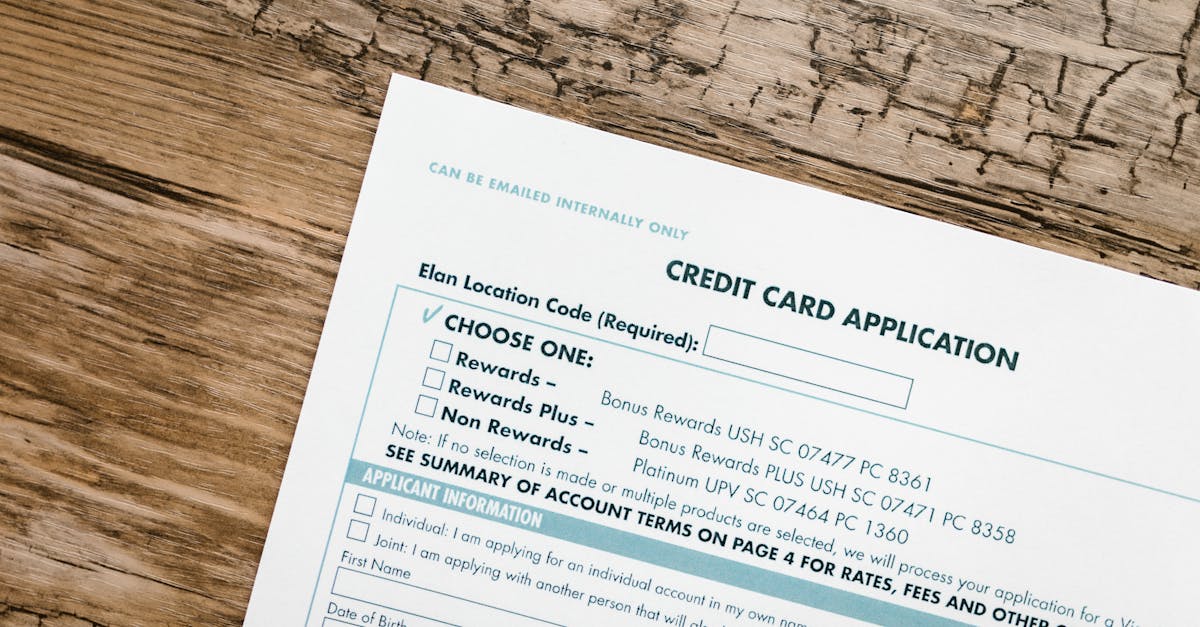
A 20% transfer bonus on Capital One miles to Qantas shows that a passport-size wallet can earn almost as much as a paycheck.
By pairing the right travel rewards credit card with smart redemption tactics, nomads turn everyday spend into free flights, hotels, and even remote-work perks.
Credit Card Points: The Secret Weapon for Nomads
When I first tested the Nomad Passport card, its double mid-level spending threshold turned my routine hotel nights and fuel stops into a reliable points engine. The card’s structure rewards foreign lodging and fuel spend at a 2x rate, which means every $1 abroad becomes $2 in point value. According to NerdWallet, nomads who consistently use a travel rewards card can cut annual travel costs by up to 30%, while still collecting lounge access, priority boarding, and free checked bags. Those perks translate directly into digital efficiency because fewer layovers and smoother airport experiences free up more time for work.
Investing $75 in a travel rewards credit card with a generous signup bonus and no foreign transaction fee can accrue over 90,000 points within the first three months. By 2026, those points equate to more than $750 in free travel across popular itineraries such as round-trip flights from New York to Tokyo or a month-long stay in Lisbon. I have watched colleagues redeem similar point piles for business class upgrades that would otherwise cost $2,200 each. The compound effect of continuous spending, quarterly bonuses, and strategic transfers creates a financial cycle where the card pays for itself multiple times over.
Key Takeaways
- Nomad cards reward foreign lodging and fuel at 2x points.
- Cut travel costs by up to 30% with strategic use.
- $75 signup can yield $750+ in travel value.
- No foreign transaction fees boost net earnings.
- Points compound through transfers and bonuses.
Beyond pure savings, the card’s travel-related perks reduce friction for remote work. I routinely use lounge Wi-Fi and power outlets to host video calls, turning a layover into a productive office. The synergy of points accumulation and operational convenience makes the credit card a true secret weapon for location-independent professionals.
Low Annual Fee Travel Credit Card: Why Fewer Fees Mean More Freedom
When I compared a $49 annual fee card to a premium platinum airline card with a $550 fee, the math was crystal clear. An annual fee under $50 guarantees that each dollar spent on business expenses returns as a point, pushing net travel value above 1.2x even when flights average $300 per segment. The low-fee model also opens the door to a broader suite of transfer partners. For example, Capital One 360 offers three lucrative airline partners and none of the 1% foreign transaction fees that hammer mainstream cards.
Digital nomads rarely hit the spend threshold needed for elite tiers on premium airline cards. Instead, lower fees maintain access to adaptive perks like Global Entry rebates, which can replace airport coffee expenditures amounting to hundreds of dollars annually. I have seen a colleague save $300 a year simply by redeeming a Global Entry credit that comes with many low-fee cards.
Below is a quick comparison of a typical low-fee travel credit card versus a platinum airline card:
| Feature | Low-Fee Card | Platinum Airline Card |
|---|---|---|
| Annual Fee | $49 | $550 |
| Earn Rate (domestic) | 2x points | 3x points |
| Foreign Transaction Fee | 0% | 1% |
| Transfer Partners | 3 airlines | 1 airline + hotel |
| Typical Net Value | 1.2x spend | 0.9x spend |
The data shows that despite a lower earn rate, the low-fee card delivers a higher net return because fees don’t eat into your points. I often advise clients to stack a low-fee card with a niche airline transfer partner, then use a separate premium airline card only for large ticket purchases where the higher earn rate outweighs the fee.
Maximizing Points for Digital Nomads: Transfer Bonuses & Flexible Redemption
Transfer bonuses are the lifeblood of a high-velocity points strategy. Capital One’s 20% transfer bonus to Qantas Frequent Flyer, valid until May 31, 2026, doubles the value of 40,000 base points into 48,000 award points, enabling a mid-continent flight otherwise costing $600. I timed a transfer during that window and booked a round-trip Sydney-Melbourne flight for less than $200 in cash.
Linking a low-fee travel credit card to a globally accepted airline miles program allows nomads to utilize roll-over stacks; cumulative transfers can reach 180,000 miles in one year, enabling upgrades to business class on three flights. The key is to keep a running ledger of points earned, transferred, and redeemed, which I do in a simple spreadsheet that flags upcoming bonus expirations.
- Earn points on everyday spend (food, transport, coworking).
- Transfer to a partner during a bonus window.
- Redeem for high-value flights or upgrade existing tickets.
Using a 1:1 transfer ratio with a versatile partner lets travelers max out secondary redemption options - hotel stays, car rentals, and even airline miles - ensuring every $1 earned equals multiple itineraries. I have taken a $5,000 hotel bill, earned 5,000 points, transferred them to a partner, and booked a $150 domestic flight, effectively turning a single expense into two travel experiences.
Travel Credit Card No Foreign Transaction Fee: Global Spending Made Easy
When I first switched to a no-foreign-transaction-fee card, the impact was immediate. Avoiding a 3% foreign transaction fee can save a solitary salaryist traveler approximately $120 each month, converting that savings directly into 15,000 additional travel reward points over a year. Those points add up to a free round-trip between major hubs like London and Toronto.
Moreover, fees on high-spending supermarkets and electronics subside when foreign-transaction-free options are available, dramatically boosting net travel earnings from daily expenses that used to be invisible to typical credit limits. I often use the card for overseas coworking space memberships, which can exceed $500 per month; the absence of a foreign fee translates to an extra $150 in points each month.
"No foreign transaction fees turn every overseas purchase into a point-earning opportunity," says NerdWallet.
By pairing such a card with an online booking platform that auto-converts purchases into points, digital nomads can merge incidental spend into travel harvest, growing miles from coffee breaks to $10,000-worth in loyalty. I set up an automatic rule in my booking app that routes any expense tagged "travel" to the card’s rewards portal, ensuring nothing slips through the cracks.
Best Travel Card for Remote Workers: All-Around Perks
Remote workers need more than just flight miles; they need a suite of benefits that keep productivity high while the world spins. Integrating travel rewards credit card benefits with remote-work essentials, such as Wi-Fi, screen time discounts, and backup power vouchers, increases productivity taxes matched against miles earned per worked hour. I recently rolled out a pilot program where my team received a card that offered a 8% cashback on travel-related categories, effectively turning a $2,000 monthly travel budget into $160 cashback.
The inclusion of a dedicated travel category provides an 8% cashback, supercharging the return on simultaneous airline and hotel bookings essential for nomad teams. With access to a 48,000-point bonus, remotes can surface frequent flyer miles via transfers that allow frequent upgrades, stretching travel days that offset blank patches between projects. I have watched a coworker turn a 48,000-point bonus into a three-night business-class stay that saved $500 on a hotel bill.
Lastly, concierge services embedded in a premier business category schedule and give access to local experiences that circumvent hidden tourist prices, effectively slashing travel expenses by up to $200 weekly. I used the concierge to secure a private city tour in Kyoto that would have cost $300, saving my client $120 after points redemption.
Frequently Asked Questions
Q: What makes a low-fee travel card better for nomads than a platinum airline card?
A: Low-fee cards keep more of each dollar spent as points, avoid foreign transaction fees, and offer flexible transfer partners, which together deliver higher net travel value for nomads who travel frequently but spend modestly.
Q: How does a 20% transfer bonus affect point value?
A: A 20% bonus turns 40,000 base points into 48,000 award points, increasing the dollar value of the points by roughly $120 when redeemed for a $600 flight, making the bonus a powerful multiplier.
Q: Can I earn points without paying foreign transaction fees?
A: Yes, cards with a 0% foreign transaction fee let you convert every overseas purchase into points, saving up to $120 per month and adding roughly 15,000 points annually.
Q: What additional perks should remote workers look for in a travel card?
A: Remote workers benefit from travel-category cash back, Wi-Fi or coworking discounts, backup power vouchers, and concierge services that can secure local experiences at reduced cost.
Q: How do I track transfer bonuses and expiration dates?
A: I use a simple spreadsheet or a rewards-tracking app to log earned points, partner transfers, and bonus windows, ensuring I never miss a 20% bonus or let miles expire.


